Place guide
Bandelier National Monument
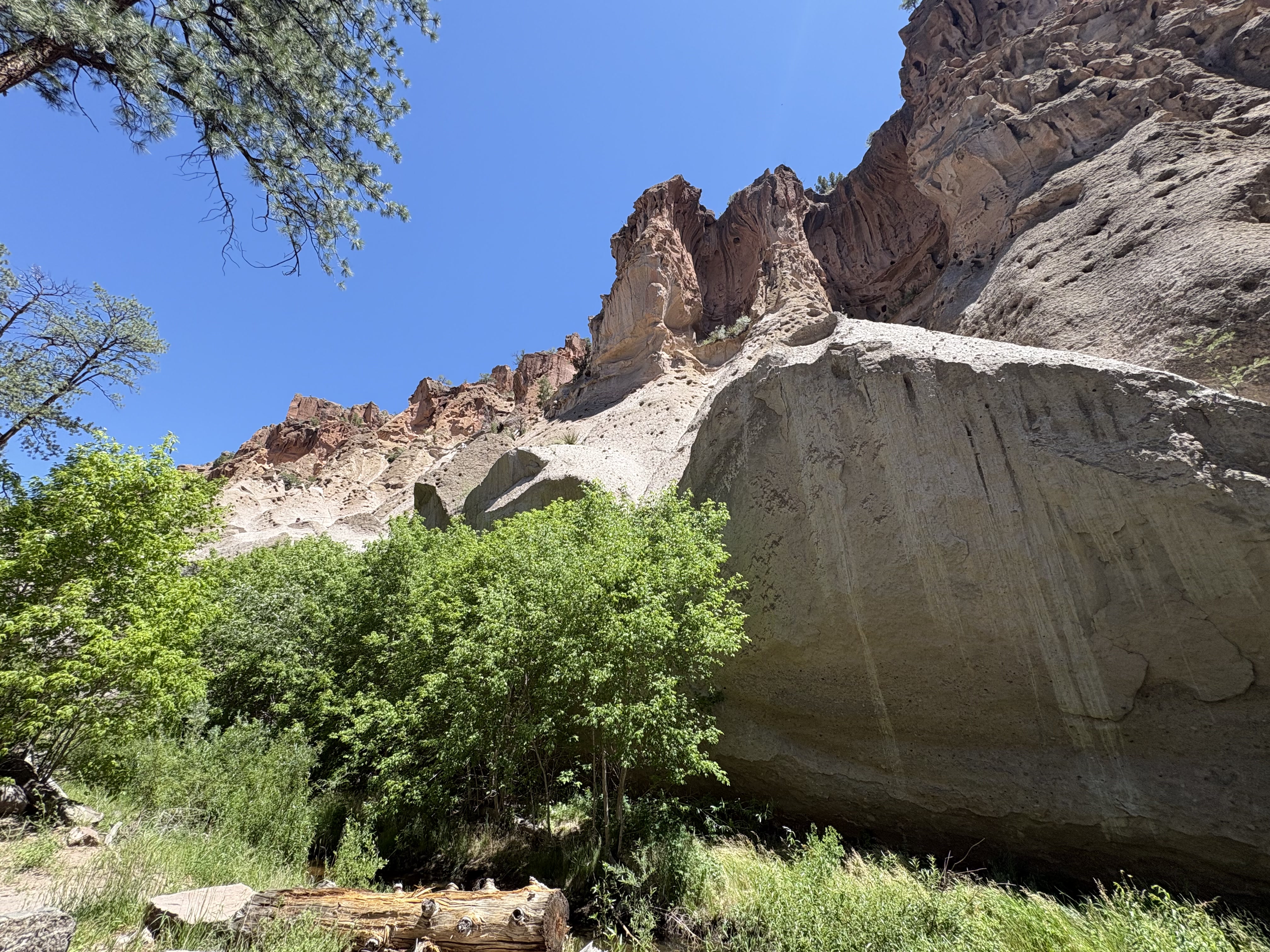
Ancient cliff dwellings carved into volcanic tuff canyons of the Pajarito Plateau.
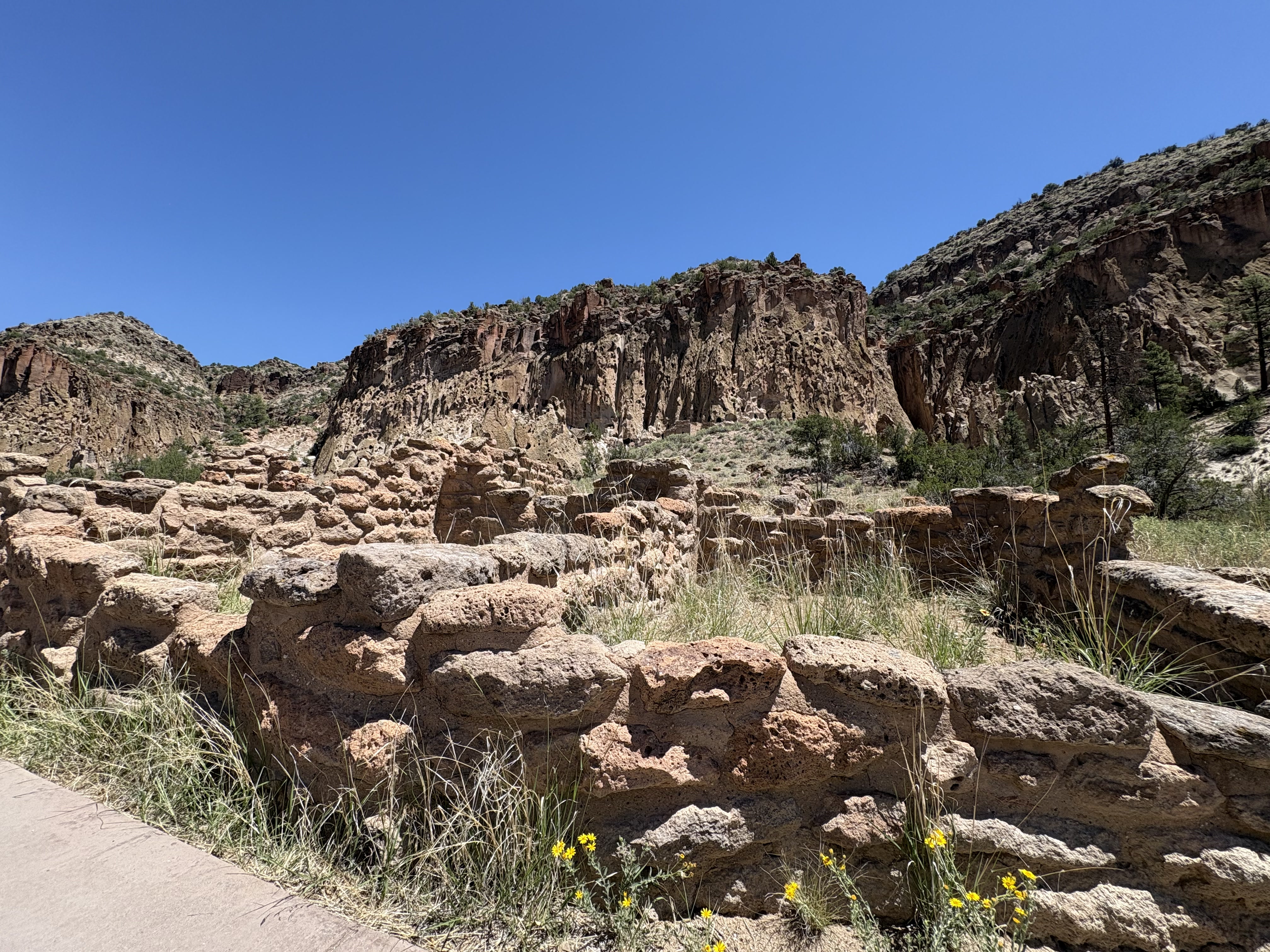
Bandelier National Monument is one of New Mexico’s most rewarding places to visit. Tucked into the volcanic canyons of the Pajarito Plateau, it combines dramatic scenery with easily accessible ancestral Pueblo sites. You can climb ladders into cliff dwellings, walk among ancient village ruins, and explore a landscape shaped by volcanic eruptions, flowing water, and centuries of human history.
Explore Frijoles Canyon
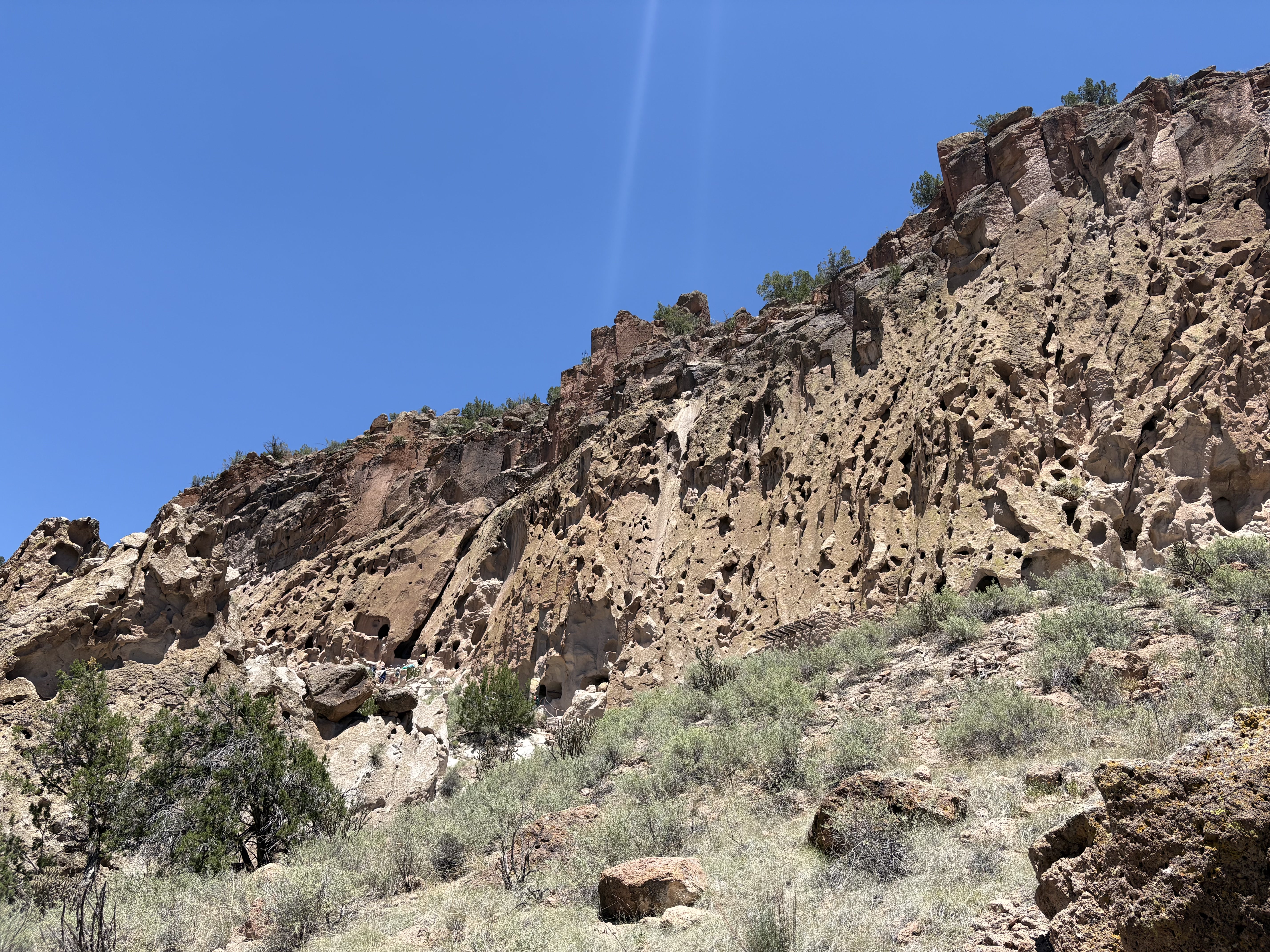
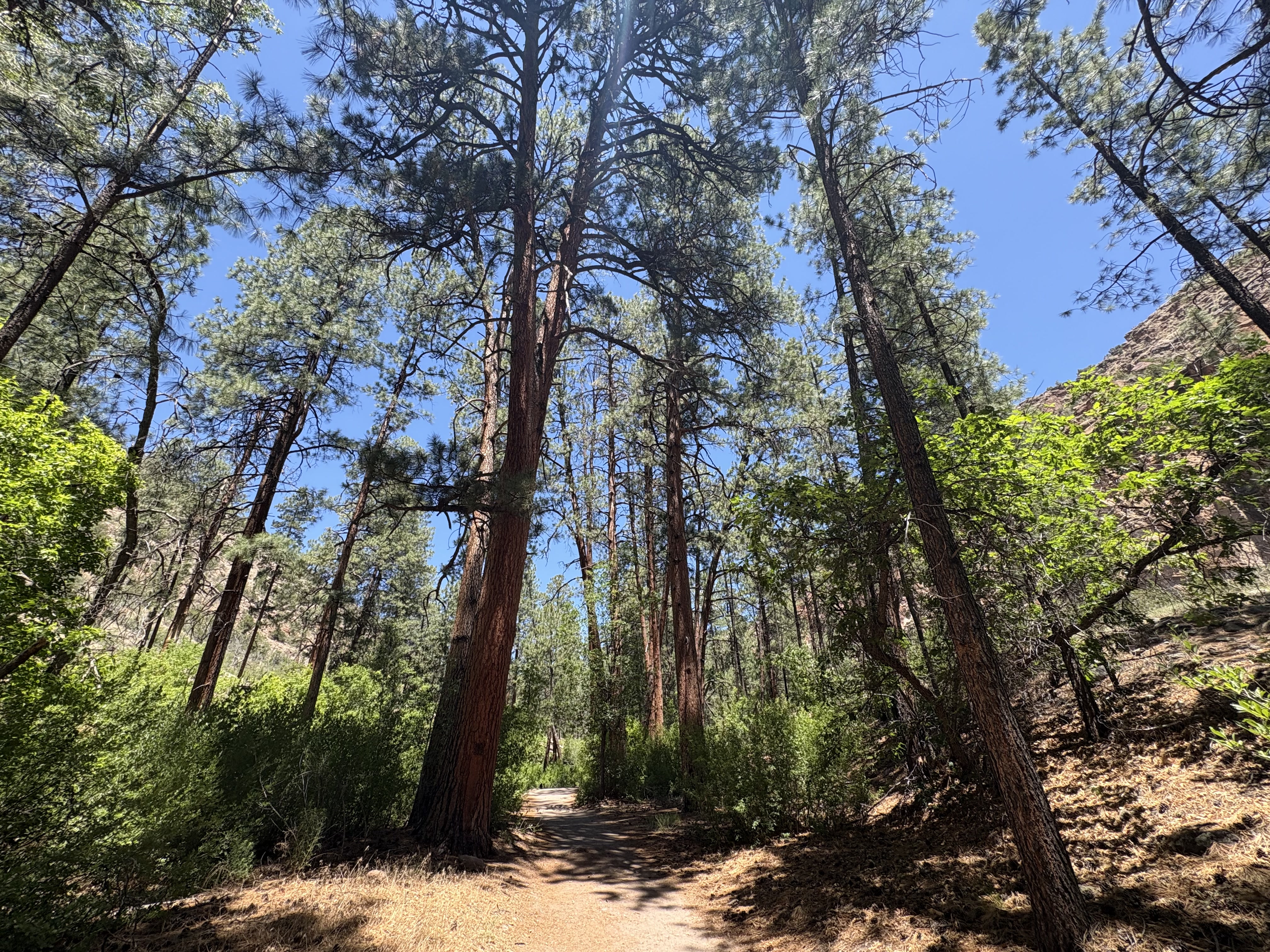
Bandelier’s main attractions lie in Frijoles Canyon, a lush canyon shaded by cottonwoods and fed by Frijoles Creek. The Pueblo Loop Trail is the monument’s signature walk. This easy route passes ancient pueblo structures, petroglyphs, and small “cavates” carved directly into the volcanic tuff cliffs. Along the way, signs help explain how ancestral Pueblo people lived here centuries ago.
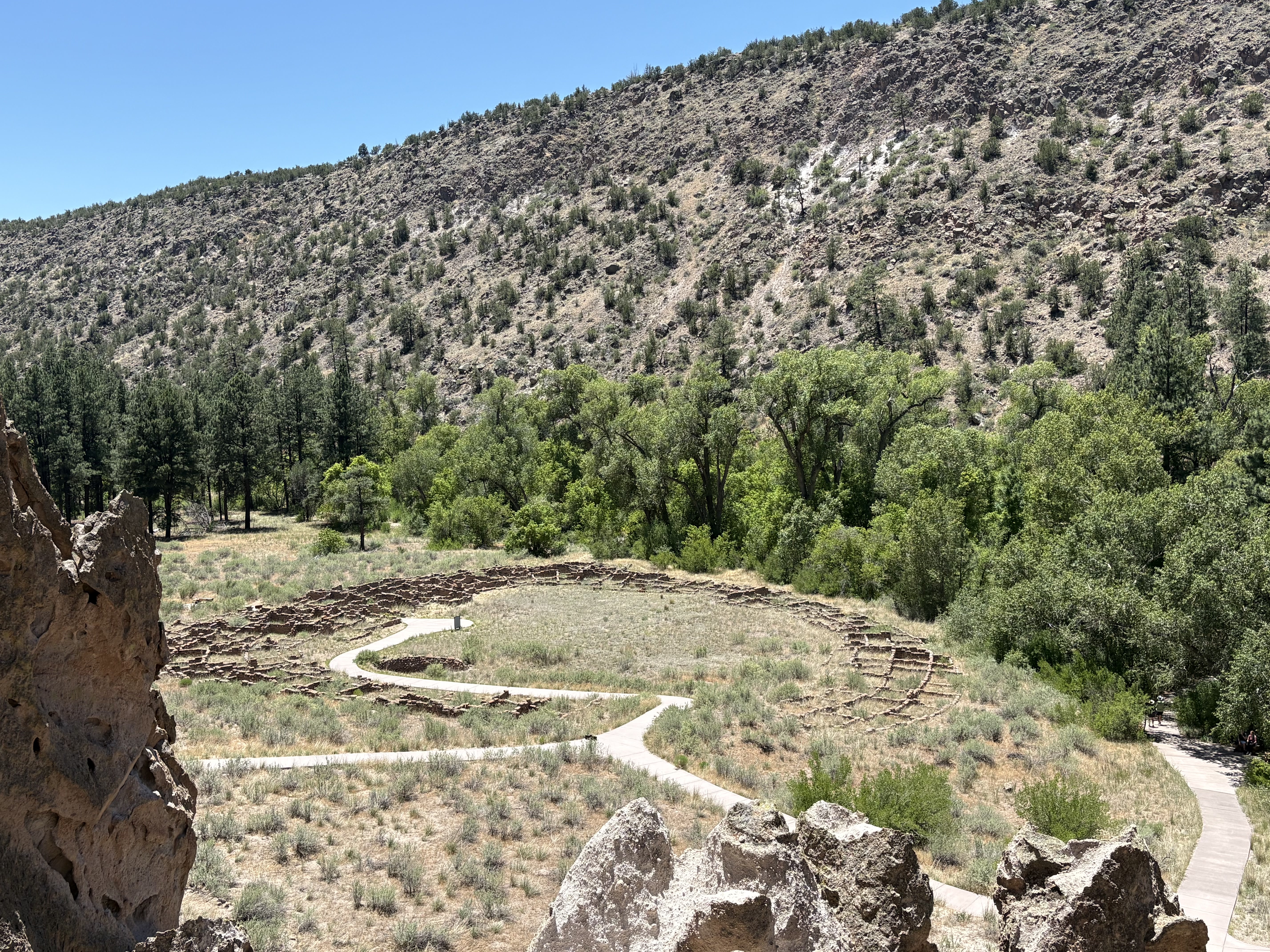
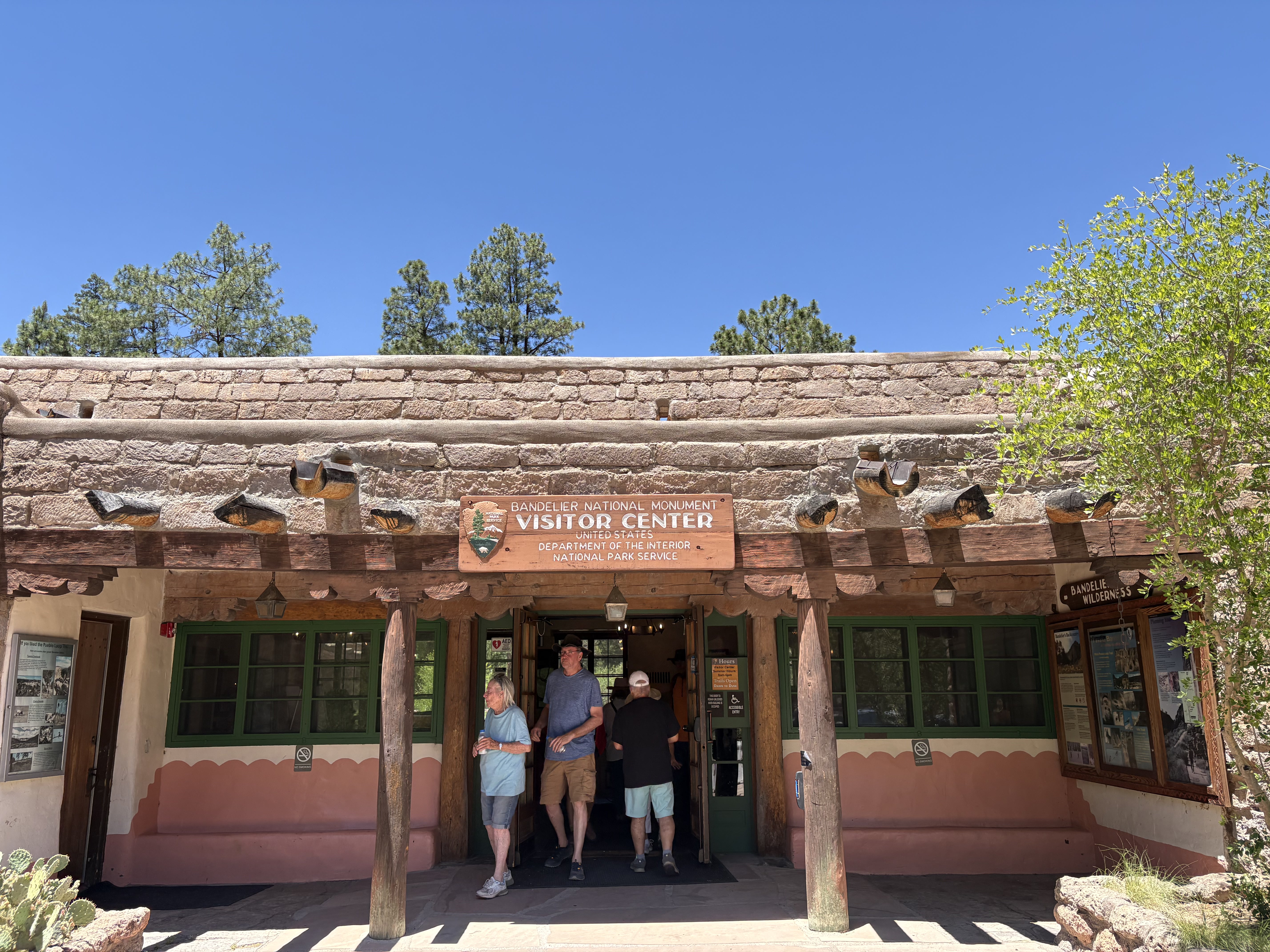
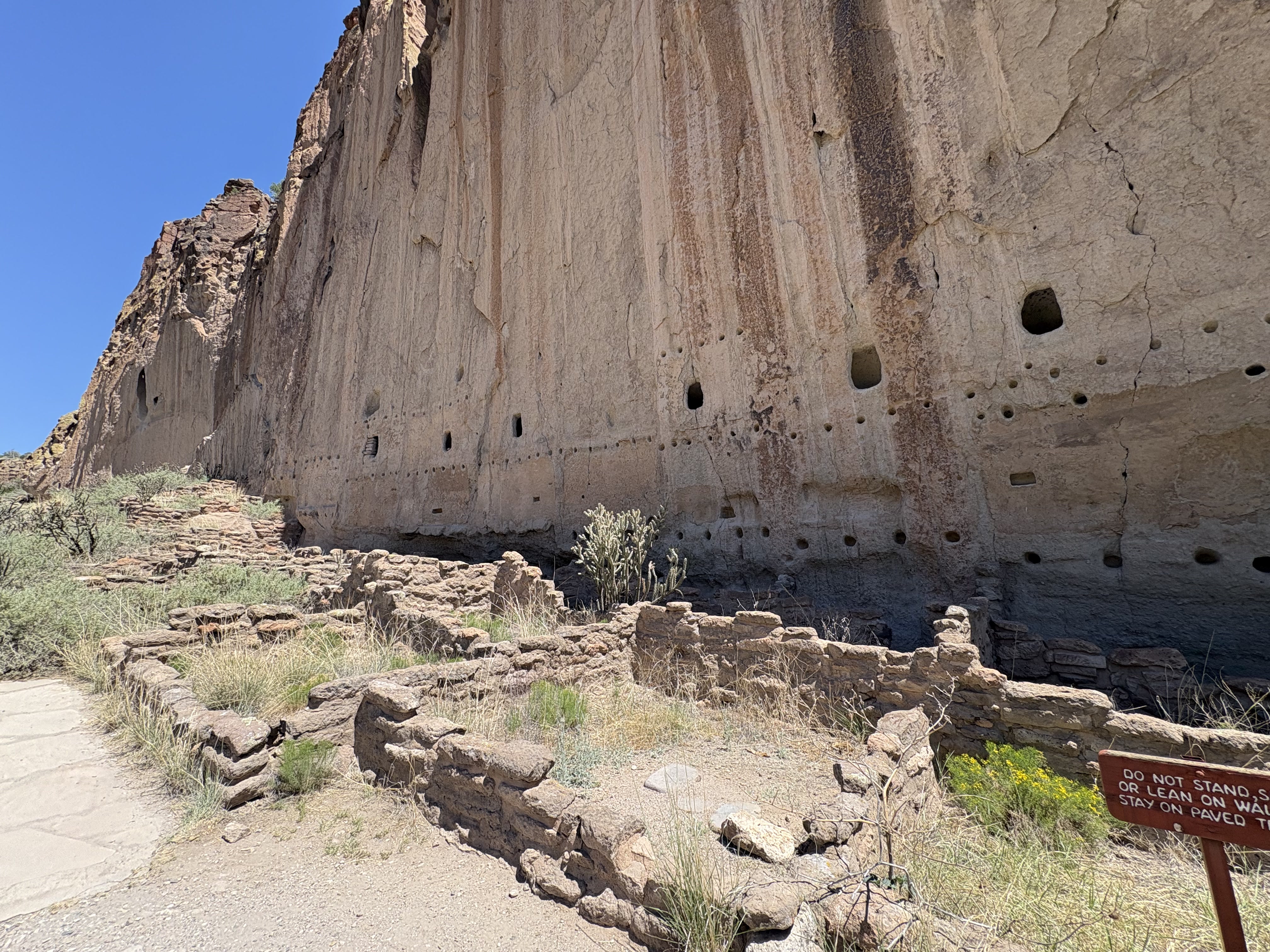
The loop takes about an hour to complete and is where most visitors spend their time.
Climb Into The Cliff Dwellings
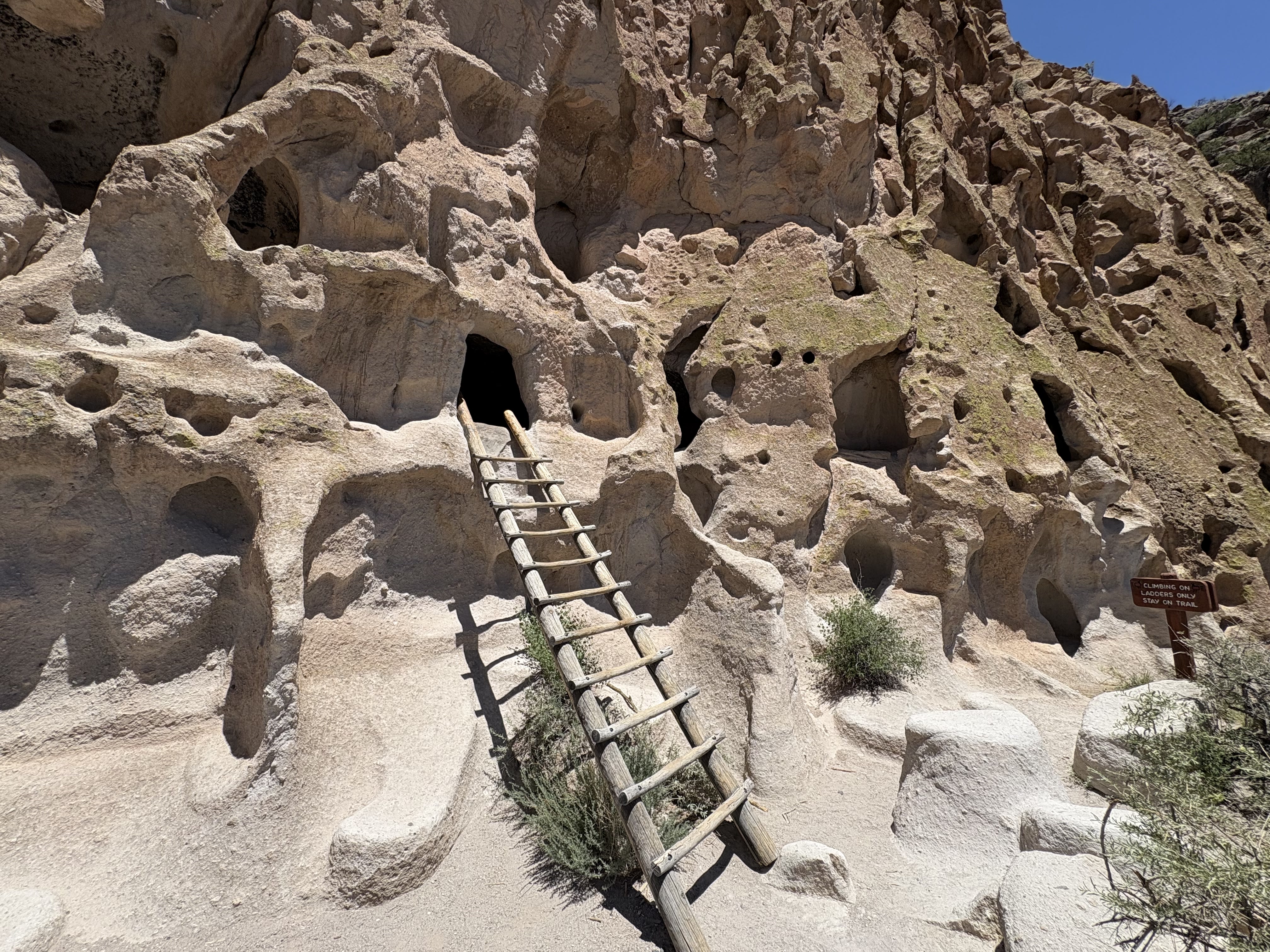
One of Bandelier’s most memorable experiences is climbing the wooden ladders that lead into cavates carved into the canyon walls. These openings were used for storage, shelter, and daily life by the people who once called the canyon home. The climbs are easy and show how the landscape itself became part of the settlement.
Visit Alcove House
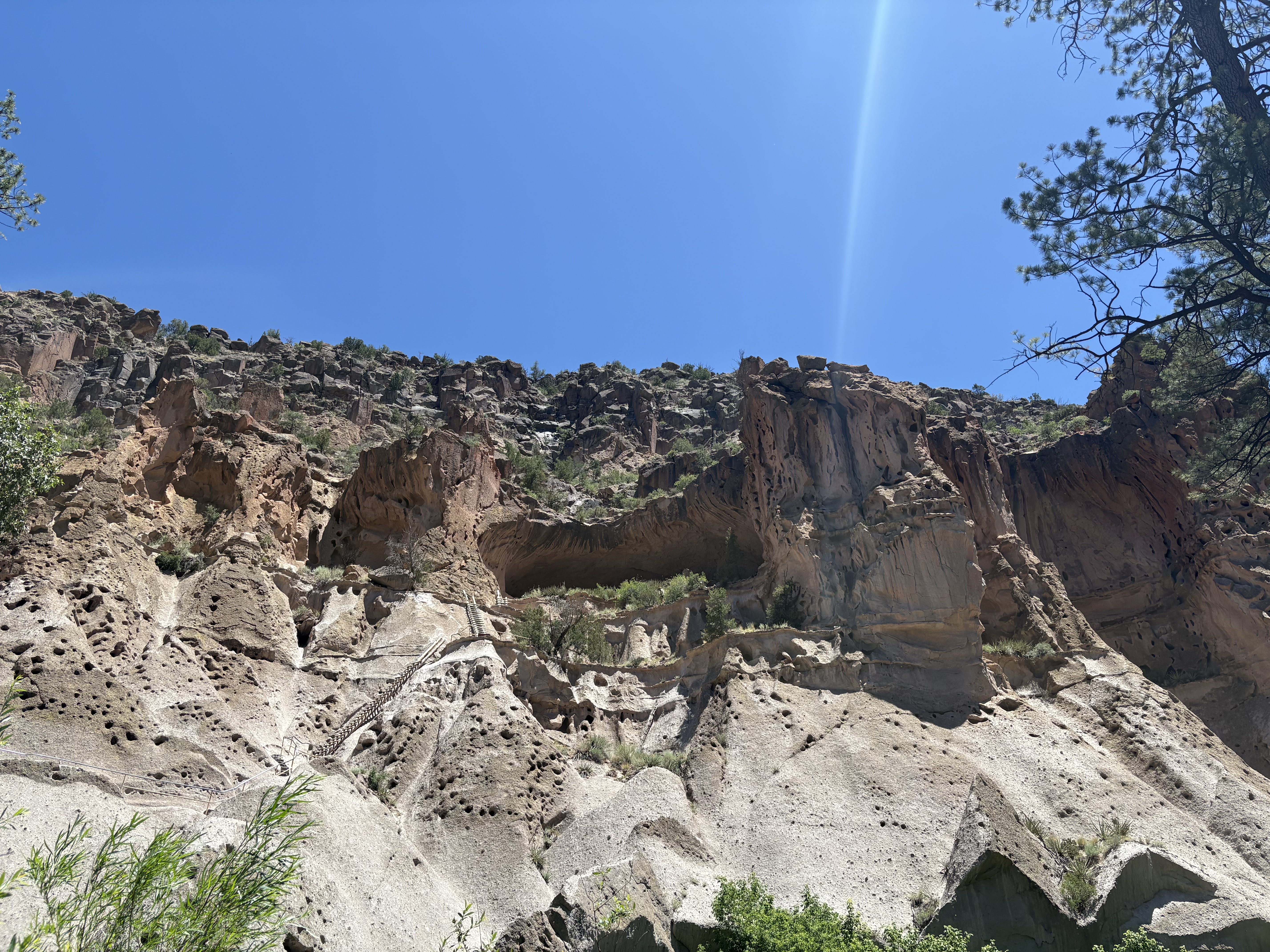
For a more adventurous experience, continue to Alcove House, a former ceremonial site tucked into a towering natural alcove above Frijoles Canyon. The route requires climbing a series of tall ladders, but the views and setting are among the most memorable in Bandelier. The Alcove House adds about a mile to the hike.
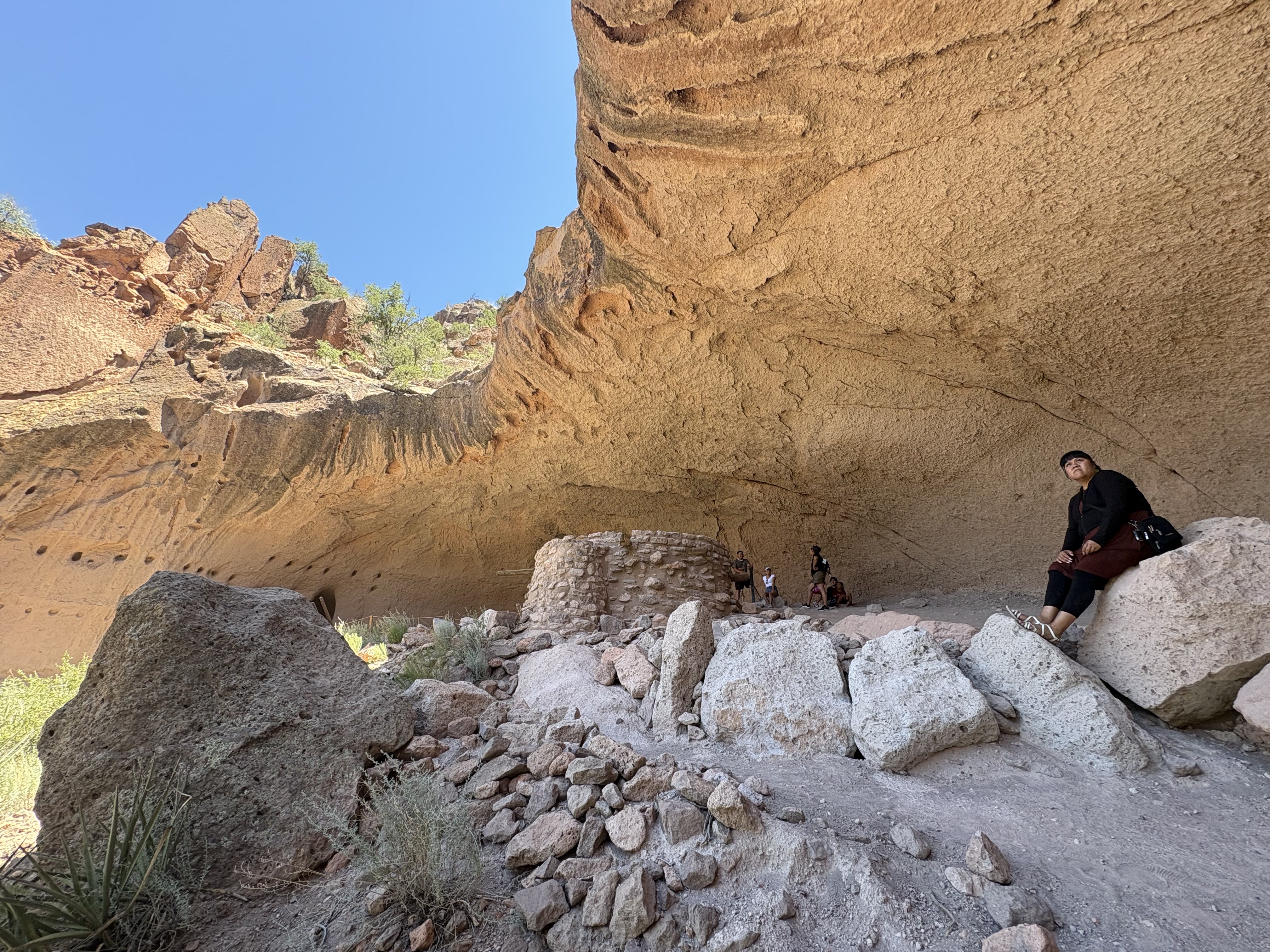
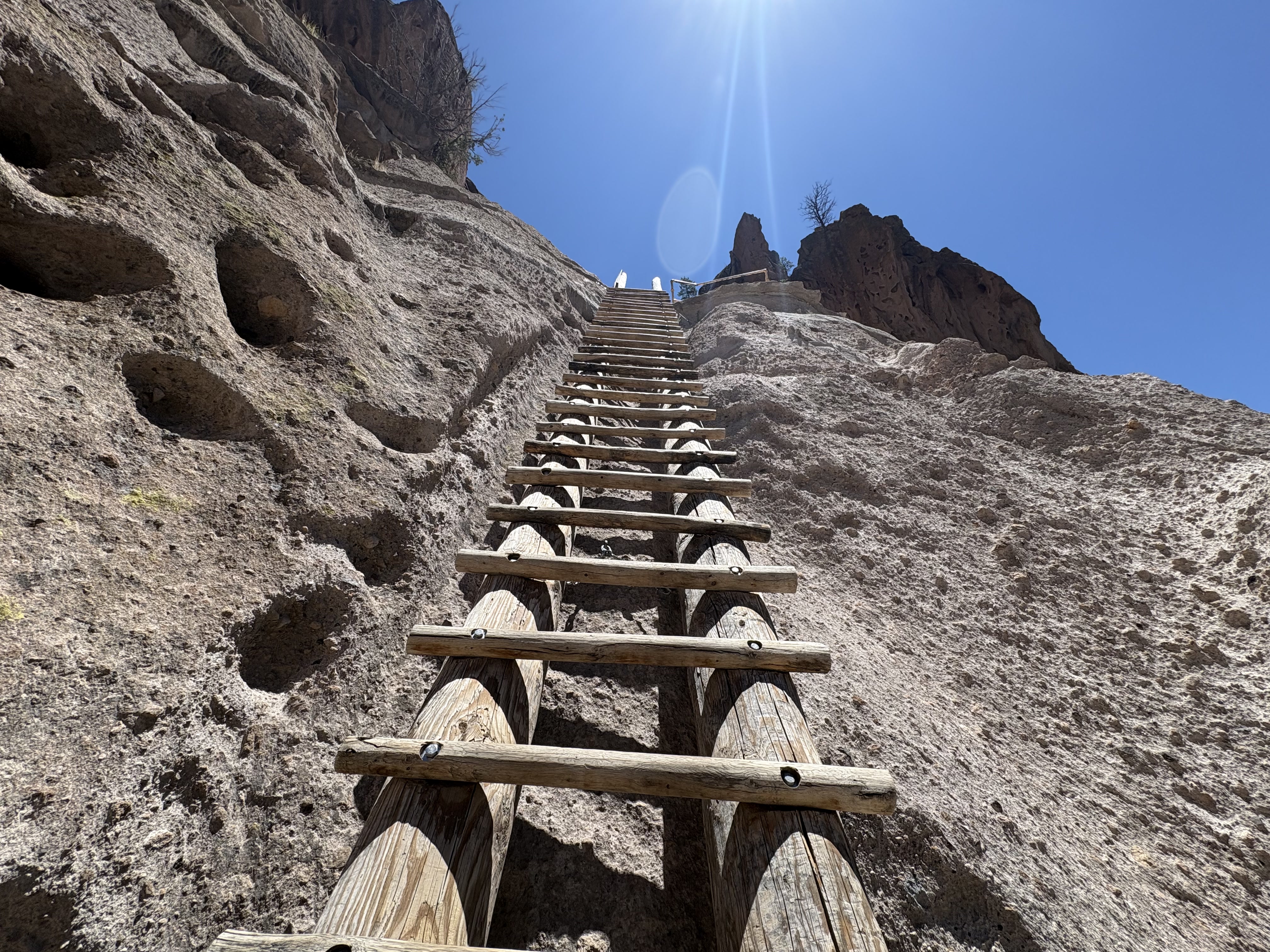
Conditions occasionally close this route, so check current access before your visit.
Hike Beyond The Main Canyon
While most visitors stay near the visitor center, Bandelier contains more than 30,000 acres of protected canyon country. Trails such as Falls Trail and Frey Trail offer quieter experiences away from the crowds. These routes showcase the monument’s volcanic landscape, mesas, forests, and deep canyons while providing a greater sense of wilderness.
Many visitors also overlook the Tsankawi Unit, a detached section of the monument near Los Alamos featuring cliff-carved footpaths, cavates, and sweeping mesa-top views. Skipping it is one of the most common mistakes visitors make.
Learn The History
Bandelier preserves the remains of ancestral Pueblo communities that flourished here beginning around the 12th century. The monument protects thousands of archaeological sites connected to the ancestors of today’s Pueblo peoples. Over time, many residents migrated to pueblos along the Rio Grande, including present-day San Ildefonso Pueblo, where descendants maintain cultural ties to the region. The area’s distinctive cliff dwellings were carved into soft volcanic tuff, a rock formed by the massive eruption that created the nearby Valles Caldera roughly 1.25 million years ago.
Approaching the site with respect helps preserve both the physical remains and the cultural significance of the landscape. Stay on designated trails, avoid touching fragile structures, and leave artifacts where you find them.
When To Visit
Spring and fall offer the most comfortable weather and are generally the best times to visit. Summer afternoons can be hot, while winter snow can occasionally close trails or roads. Morning visits are ideal for cooler temperatures, nice lighting, and fewer crowds.
Pair It With Nearby Attractions
Bandelier is easy to combine with several nearby destinations:
- Los Alamos and the Manhattan Project National Historical Park
- White Rock Overlook
- Valles Caldera National Preserve
- Jemez Springs
Many travelers turn a Bandelier visit into a full-day northern New Mexico road trip.
How Long To Spend
Two to four hours is enough for the visitor center, Pueblo Loop Trail, and cliff dwellings. Visitors interested in longer hikes should plan on spending most of a day.
Whether you come for the archaeology, the scenery, or the hiking, Bandelier offers one of the most unique experiences in New Mexico. Few places combine natural beauty and human history so seamlessly, making it a destination that belongs on every New Mexico itinerary.