Place guide
Los Alamos
A city built in secrecy and the birthplace of the world's first atomic bomb.
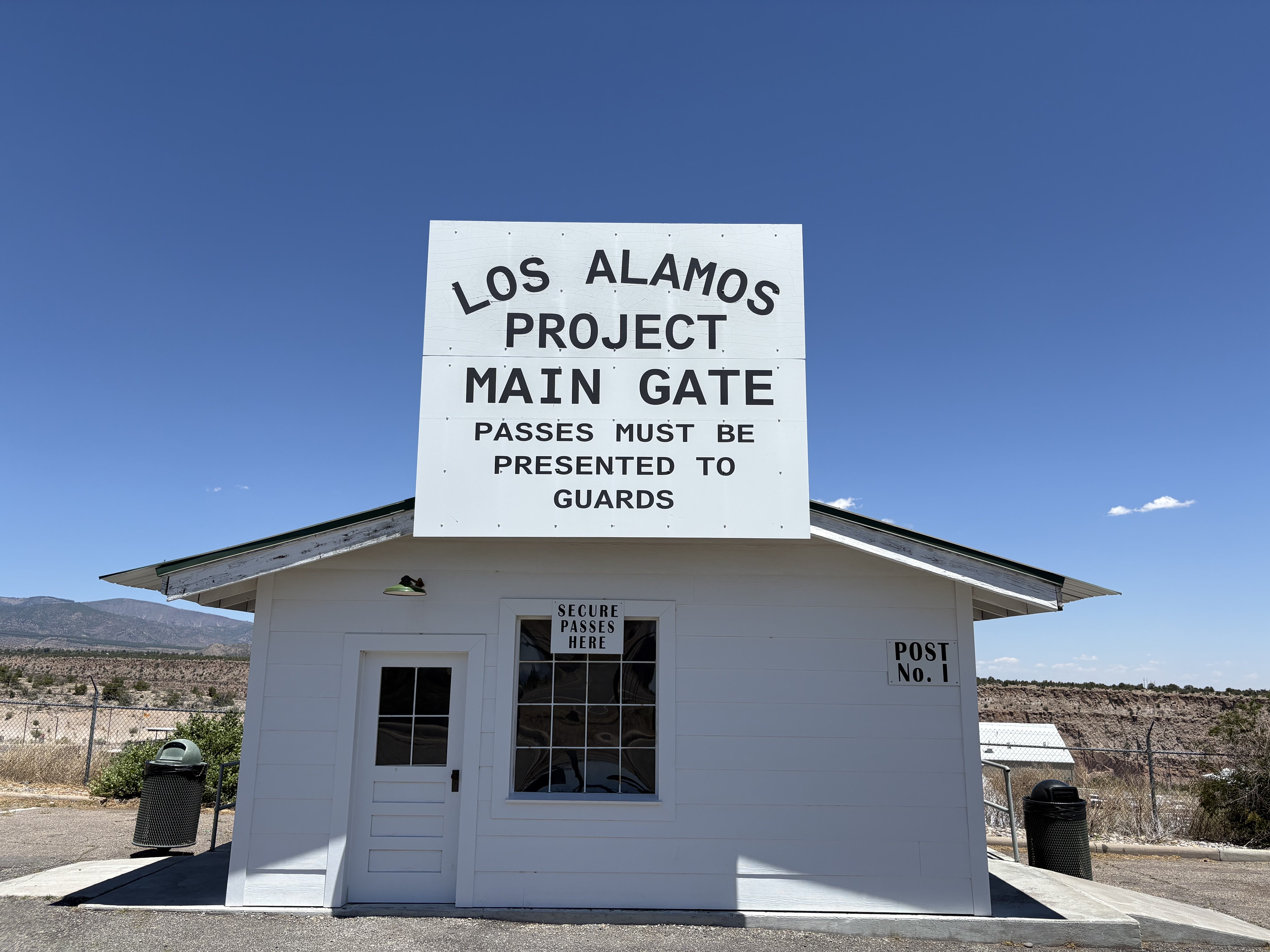
Los Alamos is one of the most unusual towns in the United States.
Perched on mesas above the Rio Grande, it was established in secrecy during World War II as the headquarters of the Manhattan Project. At the time, the entire town functioned as part of the national laboratory that developed the world’s first atomic bombs. Today, Los Alamos is home to Los Alamos National Laboratory and offers a unique mix of scientific history, ancestral Pueblo sites, dramatic canyon scenery, and great hiking.
Don’t Miss
Manhattan Project National Historical Park
Los Alamos was the birthplace of the Manhattan Project, the top-secret World War II effort that developed the world’s first atomic bombs.
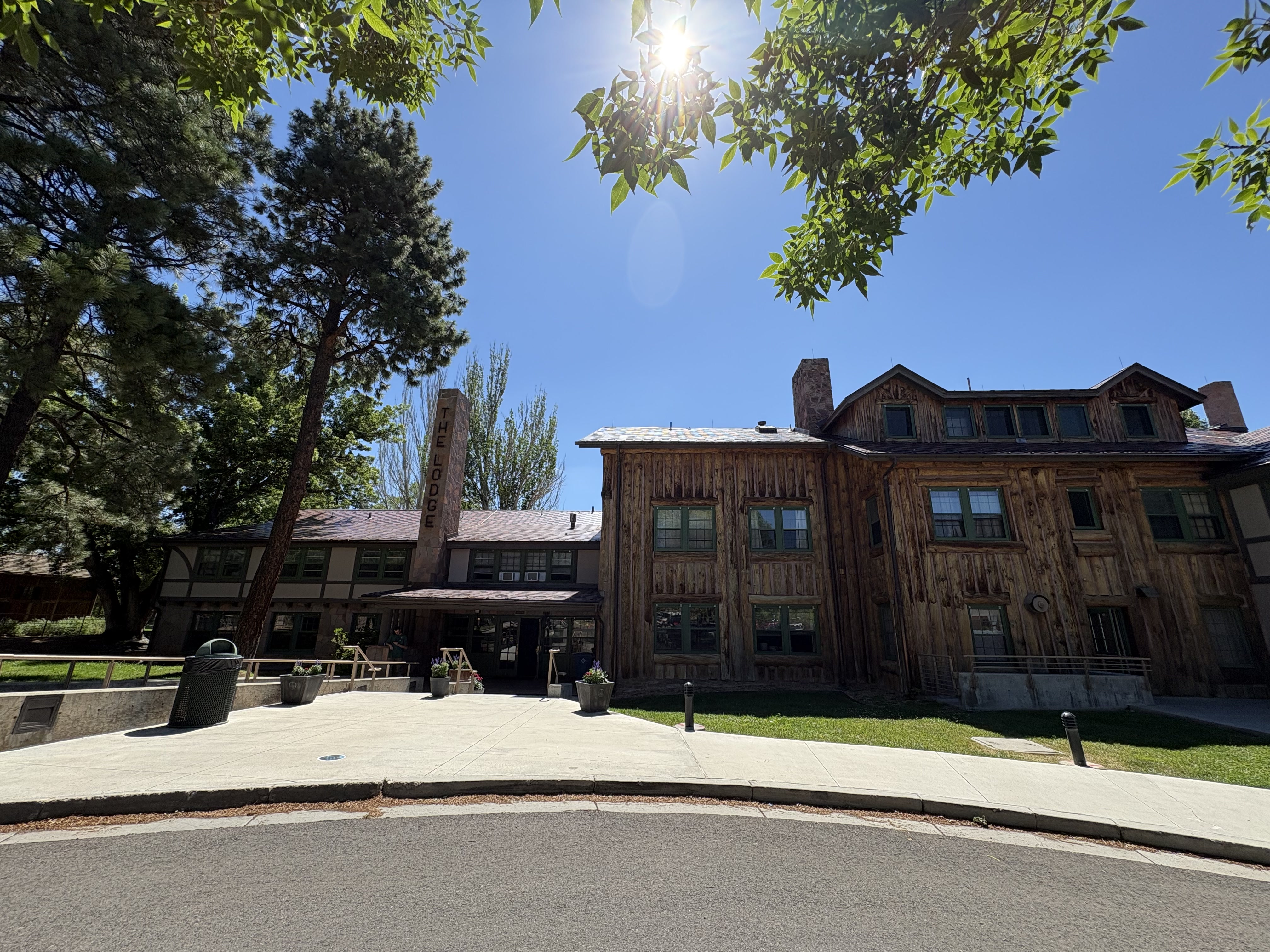
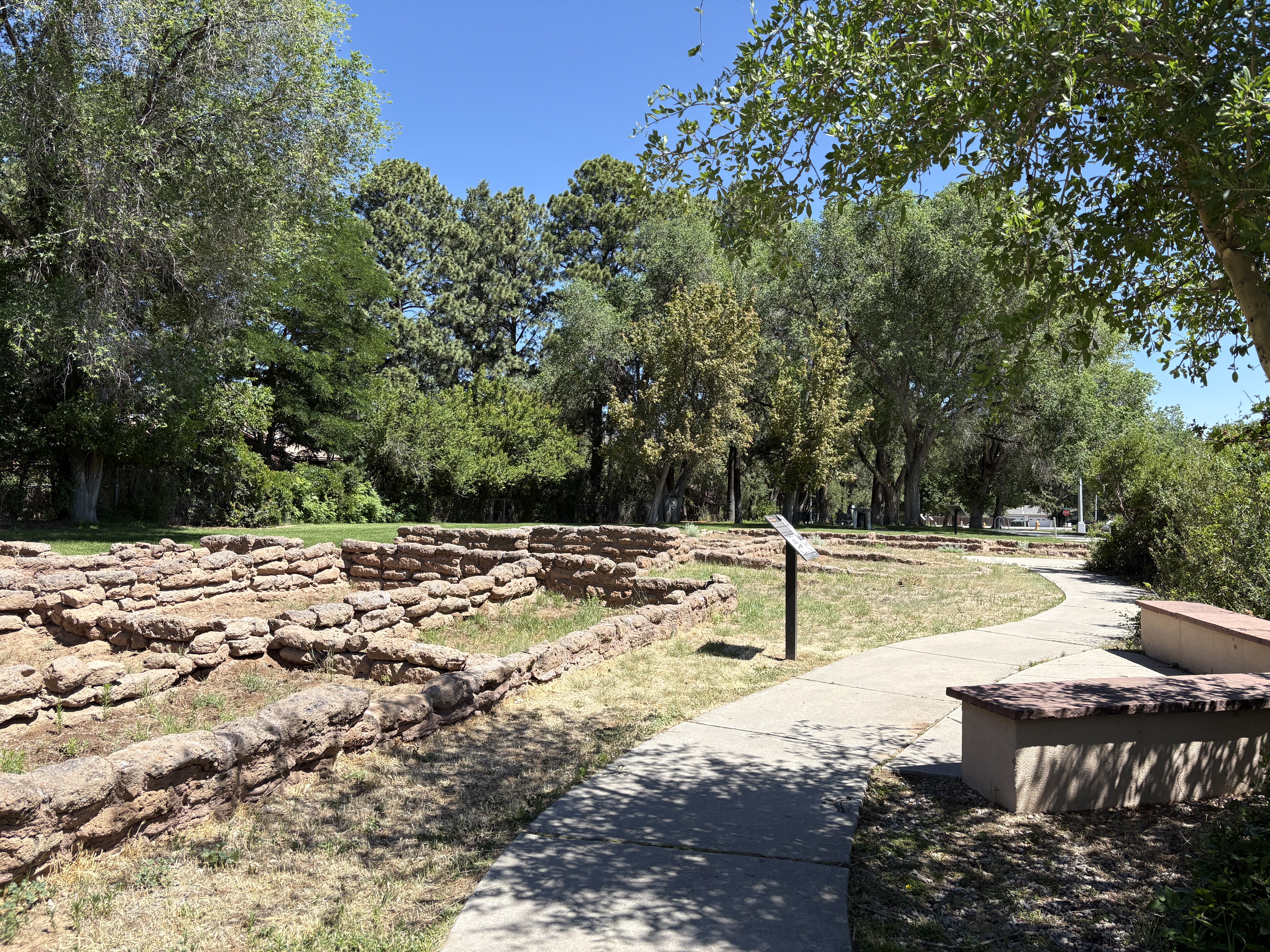
The park’s self-guided “Five Eras of History” walking route connects ancestral Pueblo sites, homesteader cabins, Ranch School landmarks, and Manhattan Project locations throughout downtown Los Alamos. Several additional historic sites inside Los Alamos National Laboratory are accessible during occasional public tours.
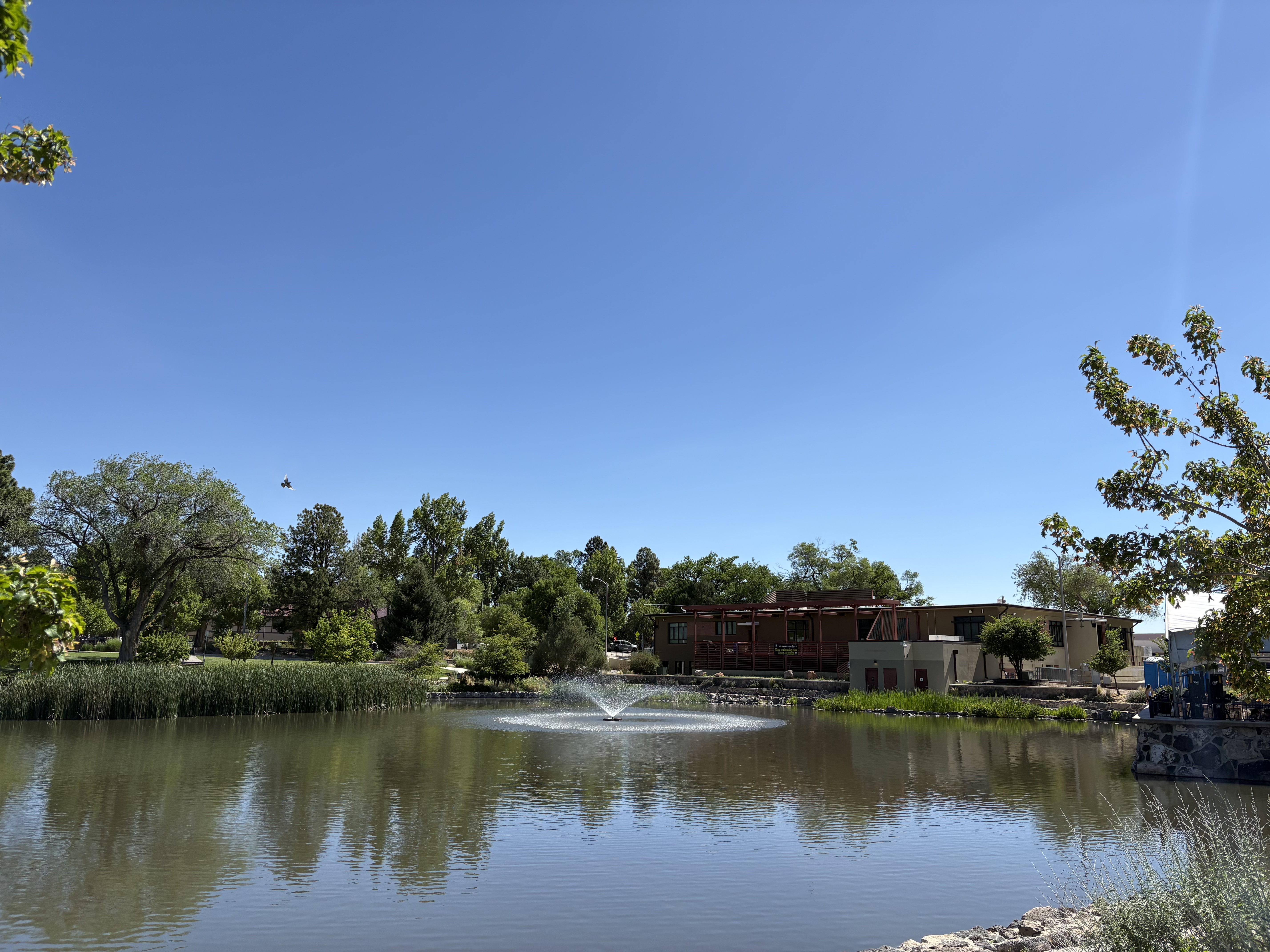
Ashley Pond is the ideal starting point for the route, and at just half a mile long, the walk is an easy addition to any visit to Los Alamos.
Bandelier National Monument
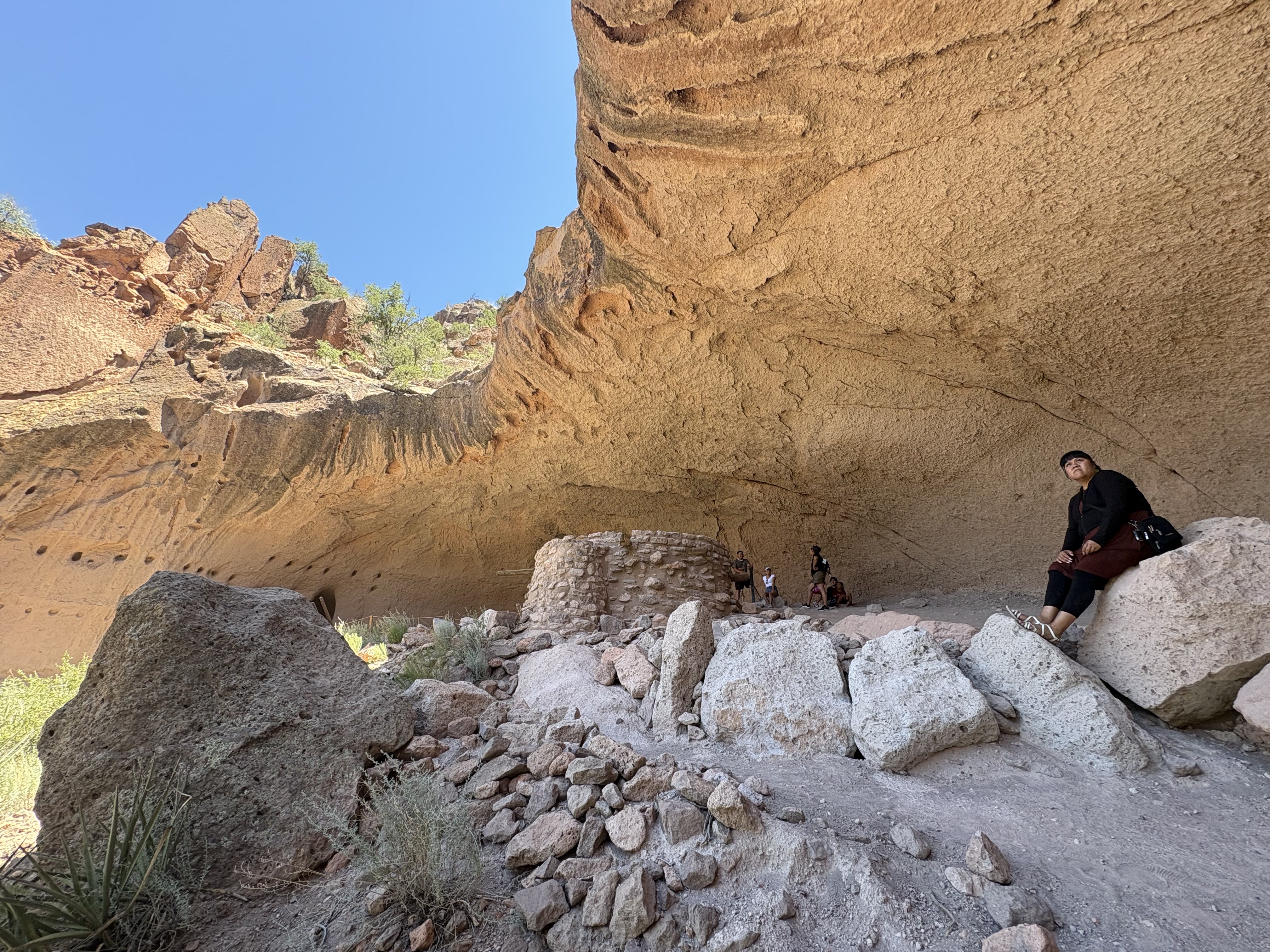
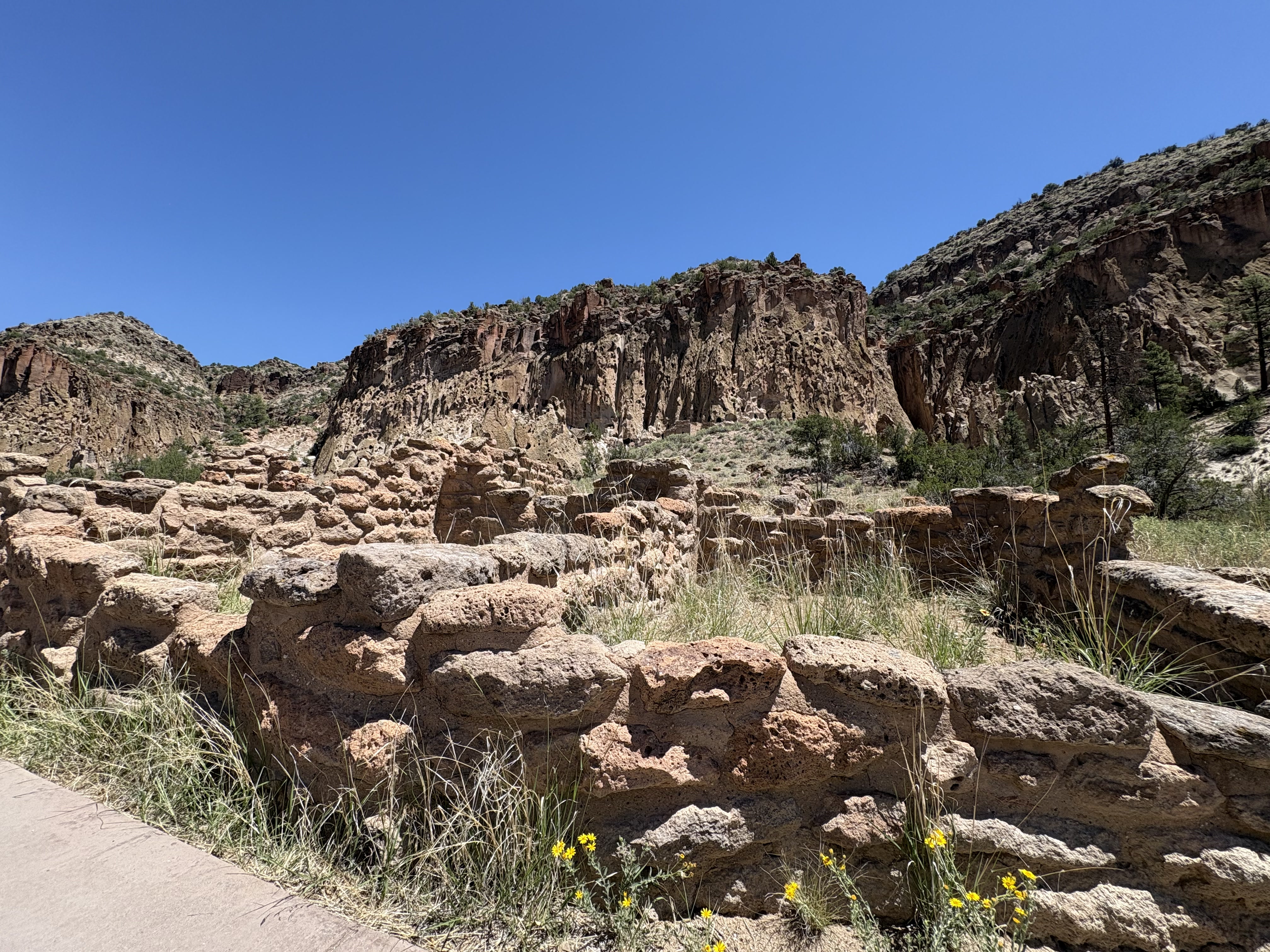
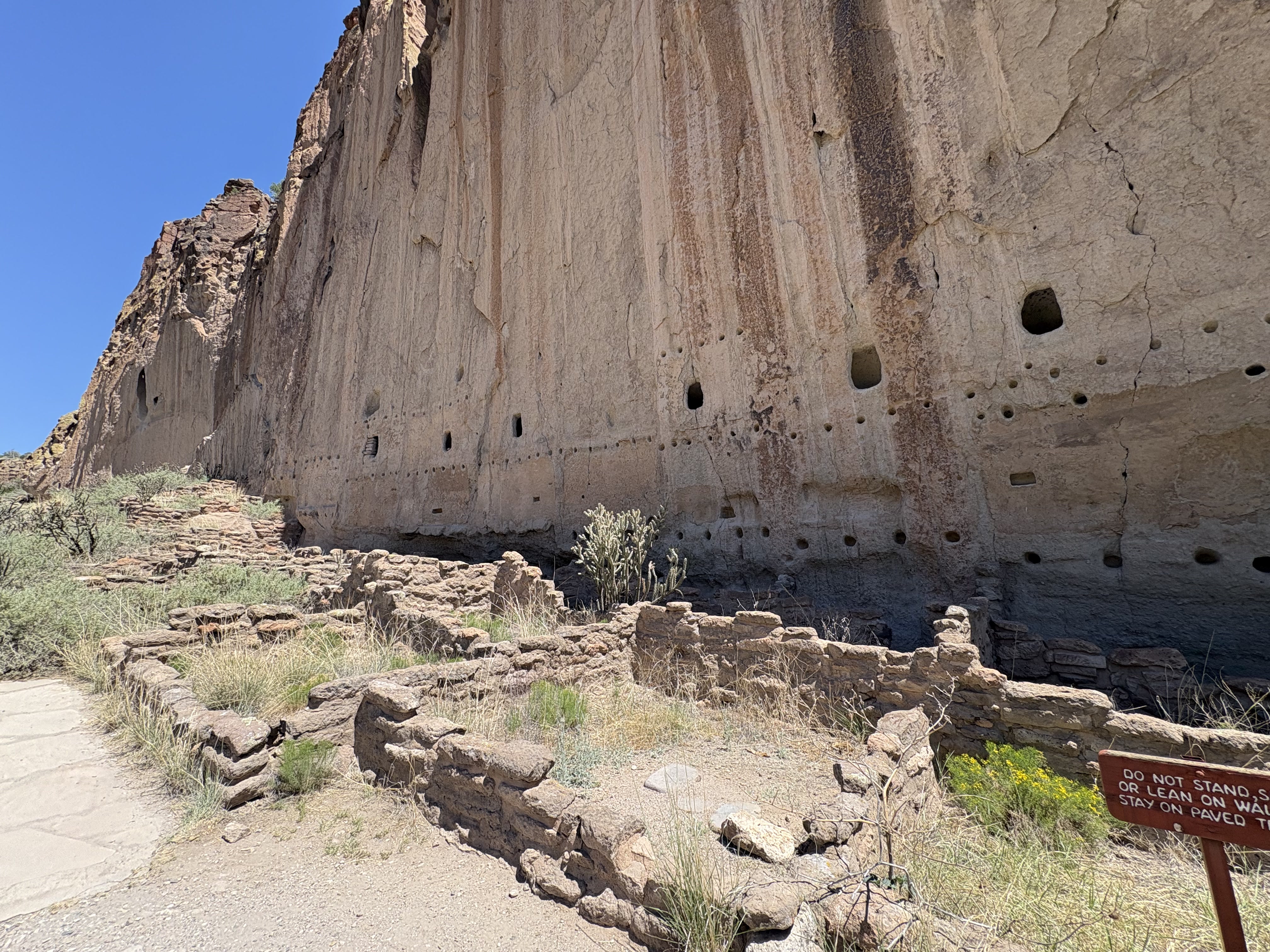
If you’re only visiting one attraction near Los Alamos, make it Bandelier National Monument. The monument preserves ancestral Pueblo cliff dwellings, petroglyphs, and miles of scenic hiking trails. The popular Main Loop Trail allows visitors to climb ladders into ancient dwellings carved into the canyon walls. It’s a great way to experience both local history and natural beauty in one trip.
Museums & Culture
In addition to the museums mentioned above, the Bradbury Science Museum is a must-visit for anyone interested in the history of Los Alamos National Laboratory and science. The museum features exhibits on the Manhattan Project, nuclear science, and the laboratory’s ongoing research. There is also a nature center and tiny art space in the Mesa Public Library, which hosts rotating exhibits and local art.

Outdoors
Los Alamos sits between the Jemez Mountains and the Rio Grande, giving visitors access to outstanding outdoor recreation.
Popular activities include:
- Hiking in Bandelier National Monument
- Walking the trails around Los Alamos Canyon (Los Alamos Arch is a great short hike)
- Snow Sports at Pajarito Mountain Ski Area
- Driving the scenic roads through the Jemez Mountains
The town’s mesa-top setting means many trails begin just minutes from downtown.
Food & Drink
Los Alamos isn’t a town I’d visit for the food alone, but there are a few decent options. El Parasol is a classic for New Mexican food but I usually end up eating at the bougie Smiths market.
Events
Los Alamos hosts a variety of community events throughout the year. Two of the most popular are ScienceFest, held in September to celebrate the town’s scientific heritage, and the Summer Concert Series at Ashley Pond, which brings free live music from regional and national performers to the center of town. The town’s unique connection to science and the Manhattan Project also means you can frequently find special exhibits, lectures, and educational programs throughout the year.
Where to Stay
Most visitors stay either in Los Alamos itself or in nearby White Rock. Similar to food, there are not many interesting places to stay and I have no personal recommendations. For a wider selection of hotels, Santa Fe is about 40 minutes away.
How Long Should You Stay?
Most people can experience the highlights in a day.
Spend the morning exploring Bandelier National Monument and then head back into town and see the Bradbury Science Museum and Manhattan Project National Historical Park. Don’t miss the White Rock Overlook as you’re heading to Bandelier.
If you have more time, consider seeing
Los Alamos offers a combination found almost nowhere else in America: world-changing history, fascinating science, ancient cultural sites, and easy access to some of New Mexico’s most beautiful landscapes.